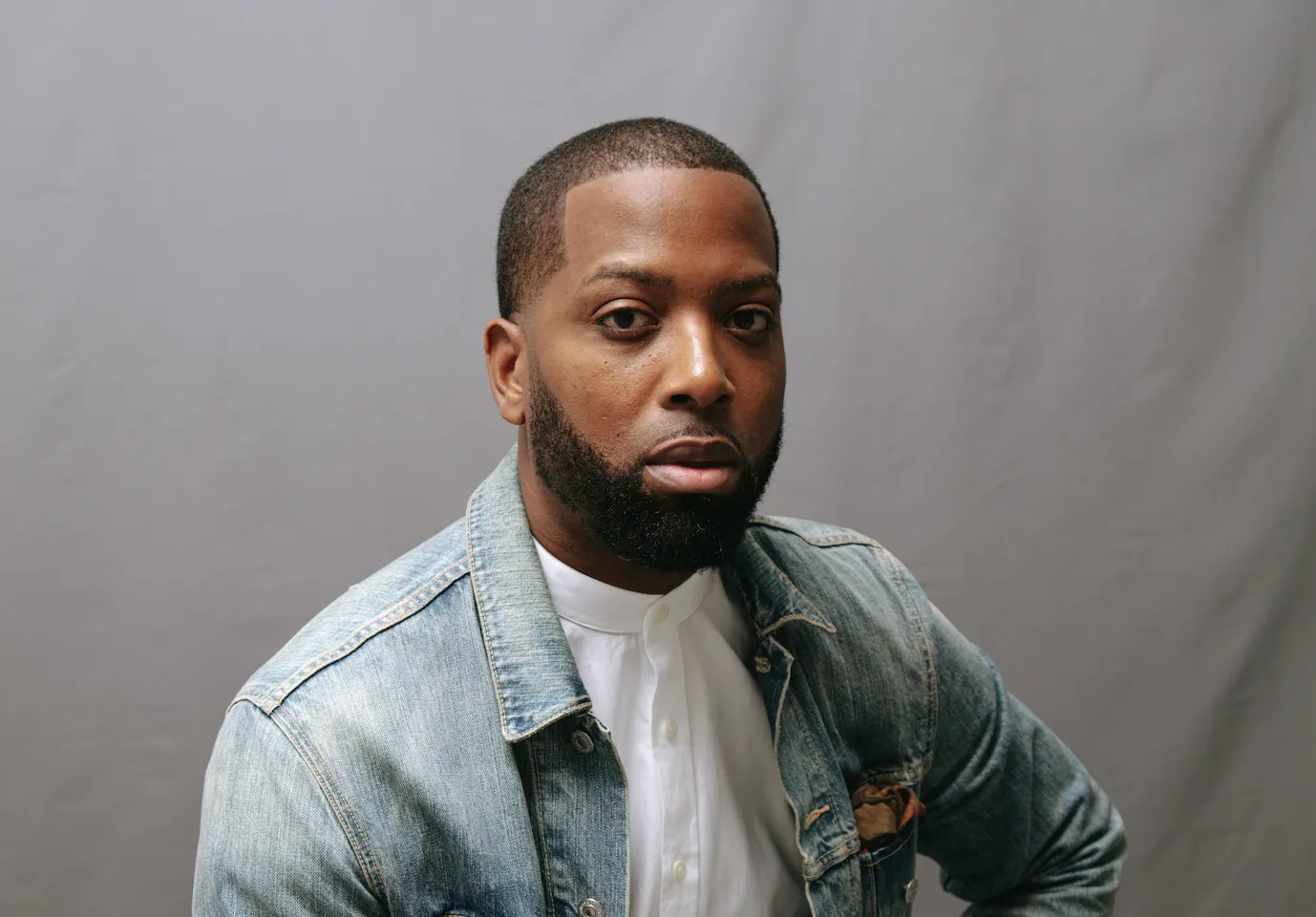
In November 2017, Unilever acquired Sundial Brands -- the parent company of SheaMoisture, Nubian Heritage, and RBEL -- in a deal reported at approximately $240 million. Richelieu Dennis, who had built Sundial from his mother's street vendor table in Harlem into one of the most recognized natural hair care companies in the world, remained CEO post-acquisition.
Dennis founded Sundial in 1991 with his mother, Mary Dennis, and college roommate Nyema Tubman after returning from Sierra Leone following the country's civil war. They started selling shea butter and black soap at street fairs and beauty shows. By 2017, SheaMoisture was on shelves in Target, Walmart, CVS, and Walgreens -- a distribution footprint built almost entirely by Black consumers who had been ignored by the mainstream hair care industry.
The Unilever deal was not received without friction. SheaMoisture had already drawn criticism earlier that year for an advertising campaign that many felt had shifted focus away from the Black women who built the brand's following. The Unilever announcement rekindled those concerns: would the brand that Black women had made into a household name remain for them, or would scale dilute its identity?
“This is not a sale. This is a strategic partnership that gives us the scale to do what we set out to do.”
-- Richelieu Dennis, Founder, Sundial Brands
Dennis's answer came in part through what he did with the proceeds. In 2019, he launched the New Voices Fund, a $100 million commitment to invest in businesses owned by women of color -- one of the largest such funds in the country. He framed the Unilever transaction explicitly as a vehicle for capital redistribution: exit the asset, deploy the proceeds into the next generation of Black and brown-owned businesses.
The SheaMoisture acquisition set a precedent in the industry for what a Black-founded beauty brand exit could look like at scale -- not just in terms of valuation, but in terms of what the founder chose to build with the outcome.