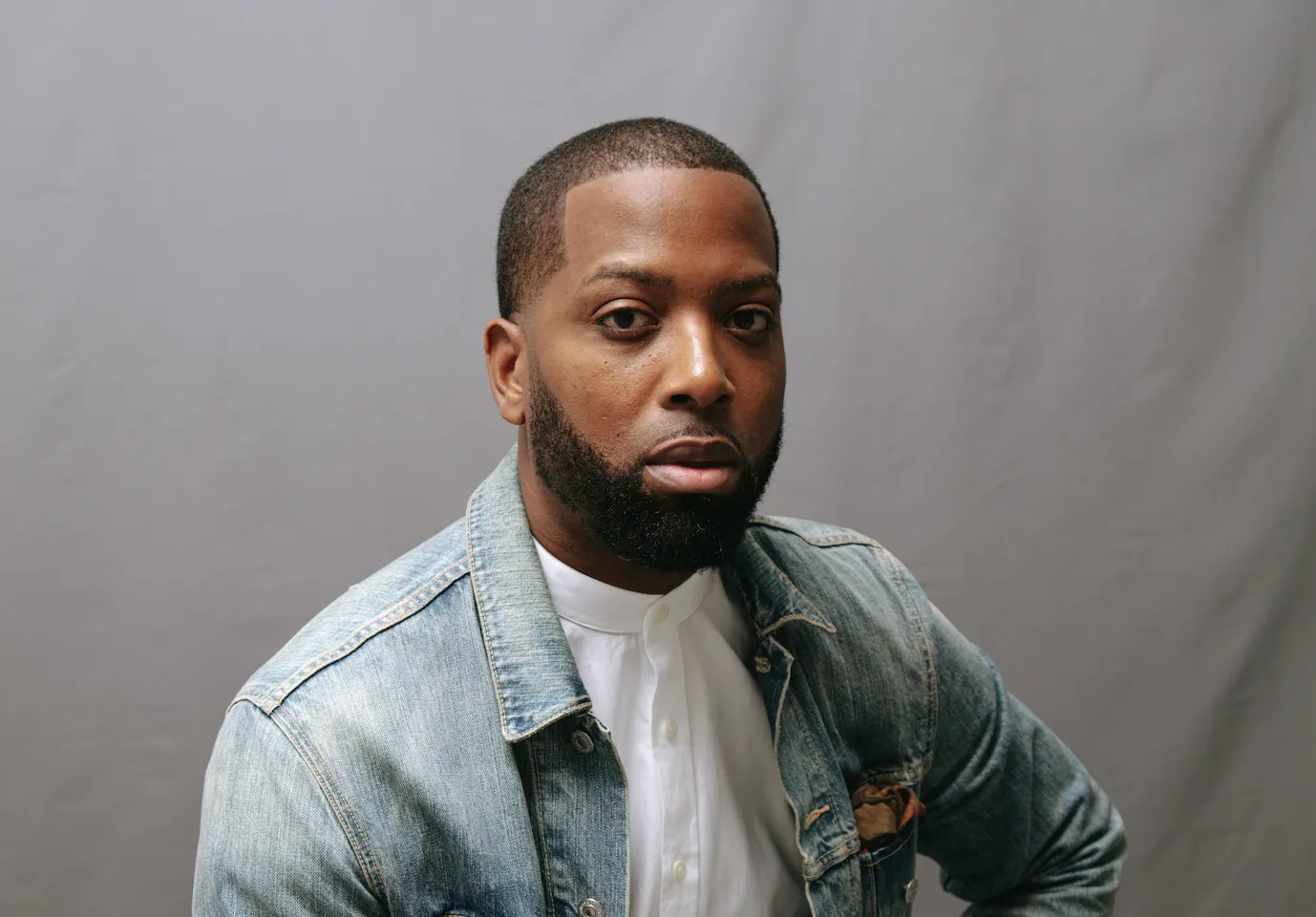
In December 2018, Procter & Gamble announced the acquisition of Walker & Company Brands -- parent company of Bevel, the shaving system built specifically for Black men with coarse, curly hair -- in a deal whose financial terms were not publicly disclosed. Tristan Walker, who founded Walker & Company in 2013, remained CEO and continued to operate the company with a high degree of autonomy within P&G's portfolio.
Walker had been explicit from the beginning about the kind of company he was building and why. Growing up in poverty on Long Island, he had watched Black men -- including himself -- suffer from razor bumps caused by shaving products engineered for straight hair and simply sold to everyone. Bevel's single-blade safety razor system was not a premium product for the sake of premium pricing. It was a medical and cultural correction.
The path to P&G ran through Silicon Valley. Walker served as Entrepreneur-in-Residence at Andreessen Horowitz before founding Walker & Company, and he raised venture capital in a space -- consumer packaged goods for Black consumers -- that Sand Hill Road had largely ignored. His ability to translate the business case for serving underserved markets into language the tech investment community understood was part of what made Walker & Company fundable and eventually acquisable.
“I started this company with one goal: to build a world-class company that serves people of color. That has not changed.”
-- Tristan Walker, Founder & CEO, Walker & Company Brands
P&G's acquisition of Walker & Company was the clearest early signal of a strategic shift at the world's largest consumer goods company: that brands built by and for Black consumers were not niche plays but growth assets that the conglomerate had systematically failed to build internally. The Mielle Organics acquisition five years later completed the pattern.
Walker has described the P&G deal as a continuation rather than a conclusion. The distribution, research infrastructure, and global reach that P&G brings to Bevel are tools, he has argued, that allow the brand to serve more Black men in more places than it could as an independent. Whether the brand sustains its identity at that scale remains the open question -- as it does for every founder-led brand that makes this particular trade.