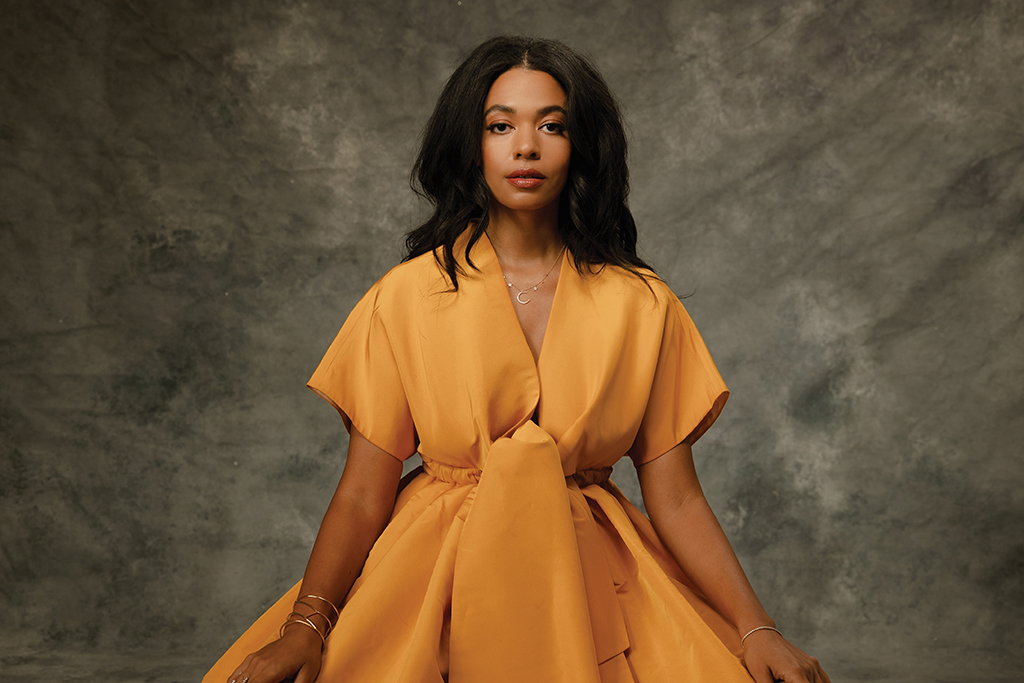
Aurora James launched Brother Vellies in 2013 with a specific mission: to keep traditional African artisan crafts alive by making them commercially viable. The brand makes handcrafted footwear and accessories using African artisan techniques, and it has been stocked at Net-a-Porter and Nordstrom since its earliest years.
But Brother Vellies was always a platform as much as a brand. In 2020, in the days after George Floyd's death, James put up a graphic on Instagram and wrote the words '15 Percent Pledge' -- a demand that major retailers commit 15 percent of their shelf space to Black-owned businesses.
Within days, Sephora signed. Then Nordstrom. Then H&M, Macy's, West Elm, Gap, and dozens more. The Pledge became a nonprofit with formal commitments from retailers representing hundreds of billions in annual sales.
“I didn't start the 15 Percent Pledge because I was angry. I started it because I did the math.”
-- Aurora James
What James understood -- and what made the Pledge different from every well-meaning diversity initiative that came before it -- is that shelf space is the mechanism. Visibility is not the problem. Access to the shelf, the buy, the distribution deal: that is where Black founders consistently lose.
The math James did was simple: if Black Americans make up 15 percent of the US population and spend a disproportionate share of their income at these retailers, 15 percent shelf space is not a gift. It is a correction.
Brother Vellies continues as a going concern, but James has effectively turned it into a proof of concept for a larger argument: that Black-owned luxury is not a niche, and the only reason it has been treated as one is that the people doing the buying never had to change.