Archive - Inventions
INVENTED
BY US.
The traffic light. The blood bank. The internet call. Open heart surgery. Black inventors changed the world and most people never learned their names. This is the record.
Past. Present. And what comes next - including how to protect what you build.
Written by
Sencera Yvonne
Founder, Beauty Mkt
Published
June 2026
Read Time
8 min
Past
What They Built
These inventions are in hospitals, kitchens, roads, and offices everywhere. The names behind them are not taught nearly enough.
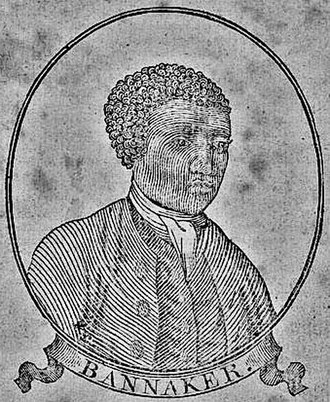
Science - 1791
Wooden Striking Clock and Almanac
Benjamin Banneker
Banneker was a self-taught free Black man in Maryland who built a fully functional striking clock entirely from wood in 1753 -- one of the first clocks made in America. He also published a series of almanacs containing weather and astronomical data, and was part of the survey team that helped plan the layout of Washington, D.C.
A pioneering American scientist and mathematician whose work challenged the racial assumptions of his era.

Household - 1821
Dry Cleaning Process
Thomas L. Jennings
Jennings became the first African American to receive a U.S. patent when he was granted one for a dry-scouring process that removed stains and dirt from fabric without water. He used the proceeds from his invention to purchase the freedom of his enslaved family members.
The first Black patent holder in U.S. history. His process was the forerunner of modern dry cleaning.
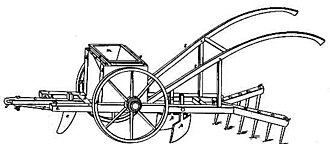
Agriculture - 1834
Corn and Cotton Planters
Henry Blair
Blair received two patents for a corn planter (1834) and a cotton planter (1836), making him the second African American to receive a U.S. patent. His machines dramatically increased planting efficiency by allowing farmers to cover more ground in less time.
Helped modernize American agricultural production at a critical period of expansion.
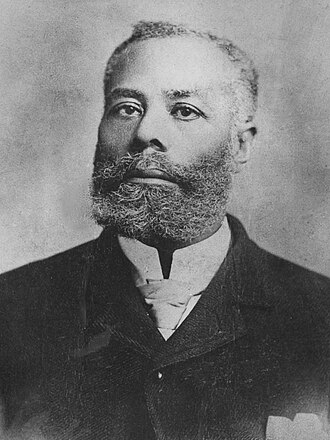
Engineering - 1872
Automatic Lubrication for Steam Engines
Elijah McCoy
McCoy invented a device that automatically lubricated steam engine parts while the engine was running, eliminating the need to stop trains and machinery for oiling. His designs were so superior that buyers insisted on 'the real McCoy,' giving birth to the phrase.
Revolutionized railroad and industrial efficiency across the United States and Canada.
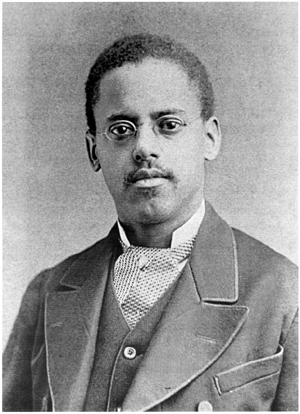
Energy - 1882
Carbon Filament for the Lightbulb
Lewis Latimer
While Edison invented the lightbulb, Latimer invented the carbon filament that made the bulb practical and long-lasting. He also supervised the installation of public electric light systems in New York, Philadelphia, Montreal, and London.
Without Latimer's improvement, the lightbulb would not have been commercially viable.
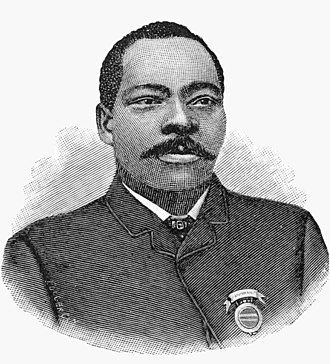
Telecommunications - 1884
Multiplex Telegraph and Railway Induction
Granville T. Woods
Known as 'The Black Edison,' Woods held over 60 patents. His most important invention was the multiplex telegraph, which allowed messages to be sent between moving trains and stations -- preventing collisions. He also invented systems for the third rail and air brakes used in city railways. Thomas Edison and Alexander Graham Bell both tried (and failed) to buy his patents.
His railway communication system made mass transit safer and is still the basis for modern rail communication.
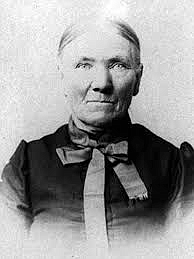
Household - 1885
Folding Cabinet Bed
Sarah Goode
Goode became the first African American woman to receive a U.S. patent with her invention of a folding cabinet bed -- a piece of furniture that converted from a desk into a bed to maximize space in small apartments. She ran a furniture store in Chicago and developed the invention to serve her urban customers.
A pioneer in space-saving furniture design, she blazed a trail as the first Black woman patent holder in U.S. history.
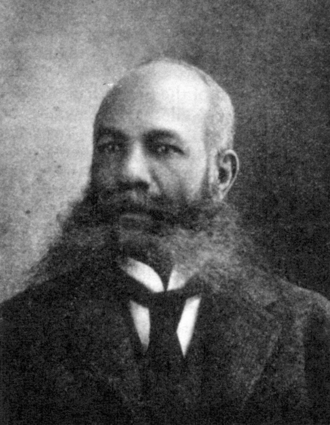
Architecture - 1887
Automatic Elevator Doors
Alexander Miles
Miles invented the mechanism that automatically opens and closes elevator doors and the shaft openings between floors. Before his patent, elevator doors had to be manually opened and closed, and people frequently fell into open elevator shafts.
His design is the direct ancestor of every automatic elevator door operating today.
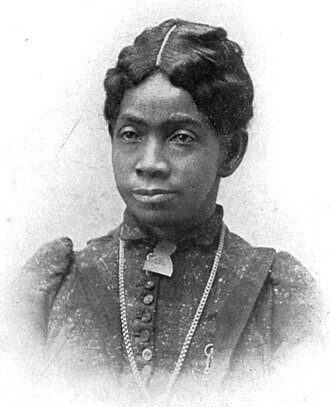
Household - 1892
Ironing Board
Sarah Boone
Boone, a formerly enslaved woman from North Carolina, patented significant improvements to the ironing board, including a narrow, curved board designed to make ironing the sleeves and bodies of women's garments far easier and more effective.
Her design improvements are reflected in the ironing boards used in homes worldwide today.
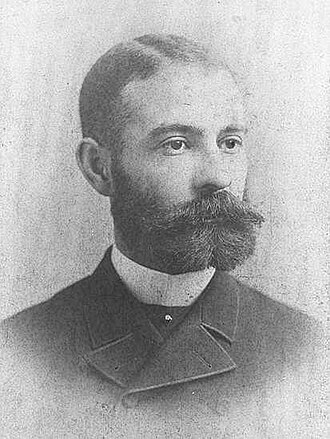
Medicine - 1893
Open Heart Surgery
Dr. Daniel Hale Williams
Dr. Williams performed the first successful open heart surgery in the United States on a stabbing victim, James Cornish. He operated without antibiotics, blood transfusions, or modern equipment and the patient lived for 20 more years.
Established open heart surgery as a viable medical procedure and paved the way for all cardiac surgery.
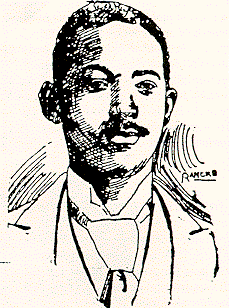
Food - 1897
Ice Cream Scoop
Alfred L. Cralle
Cralle invented the ice cream scoop while working as a hotel porter in Pittsburgh. He noticed that servers struggled to cleanly portion ice cream. His design used a mechanical plate to release the ice cream cleanly from the bowl in one motion.
Still the basic design used in every ice cream scoop manufactured today.
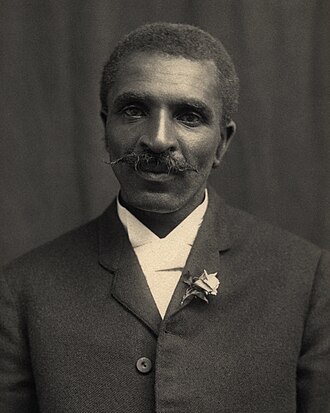
Agriculture - 1900s
300+ Products from the Peanut and Sweet Potato
George Washington Carver
Born into slavery, Carver became one of the most celebrated scientists in American history. Working at Tuskegee Institute, he developed over 300 products derived from peanuts -- including plastics, dyes, soaps, and cosmetics -- and more than 100 from sweet potatoes. His research was driven by a mission to give Southern farmers, most of them Black, a way to restore depleted soil and build economic independence from cotton.
Transformed American agriculture and is credited with saving the Southern economy after the boll weevil devastated cotton crops.
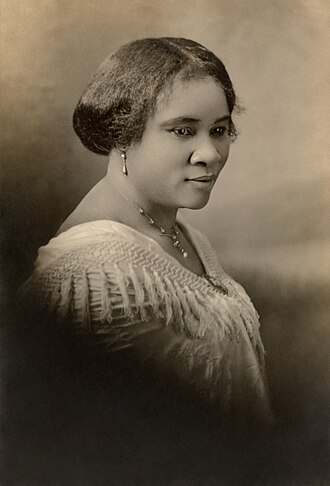
Beauty - 1905
Hair Care Empire and the Hot Comb
Madam C.J. Walker
Born to formerly enslaved parents in Louisiana, Sarah Breedlove reinvented herself as Madam C.J. Walker and built the first major Black-owned haircare company in America. She developed and marketed a line of hair care products specifically for Black women, including a refined hot comb system, and built a nationwide network of sales agents -- many of them Black women who became financially independent through her company.
Became the first self-made female millionaire in American history and created a blueprint for Black entrepreneurship that still resonates today.
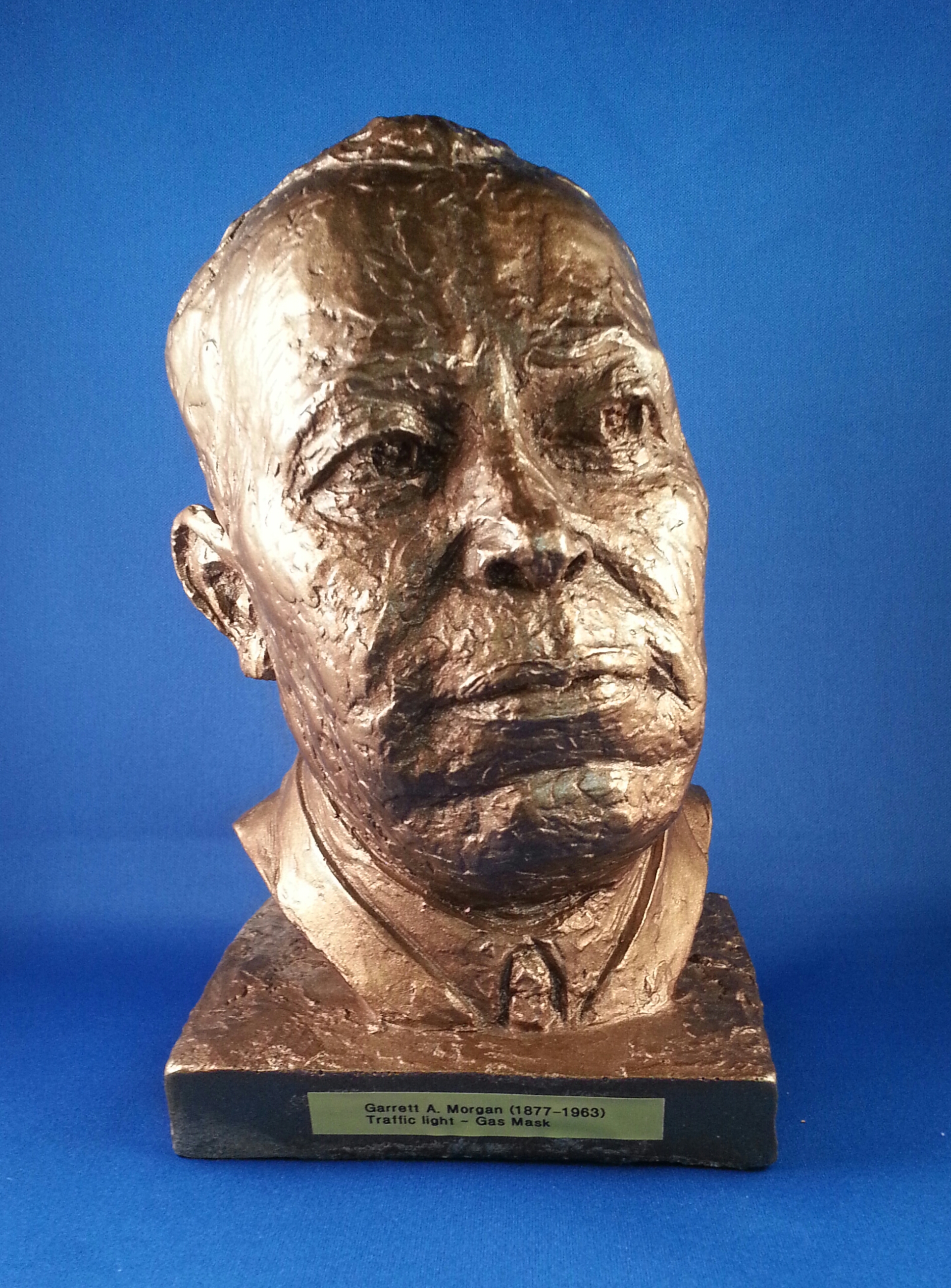
Safety - 1914
Gas Mask (Safety Hood)
Garrett Morgan
Morgan's Safety Hood was a breathing device that filtered out smoke and harmful fumes. It was used by rescue workers during a tunnel explosion under Lake Erie in 1916, saving the lives of workers trapped underground.
Became the foundation for all modern gas mask and firefighter breathing apparatus design.
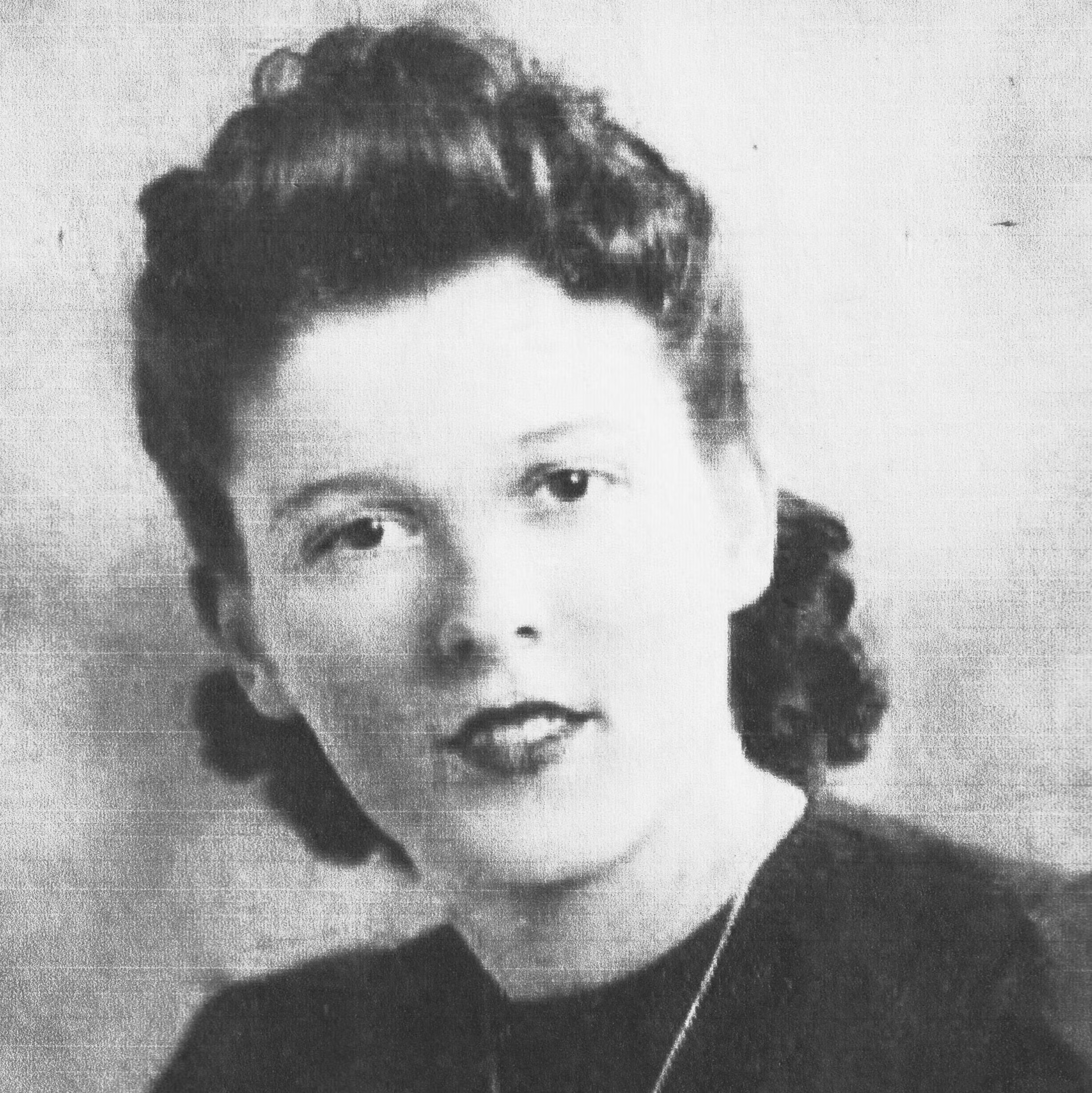
Engineering - 1919
Natural Gas Central Heating Furnace
Alice H. Parker
Parker patented a gas-powered central heating furnace that could draw in cold air, heat it with natural gas, and distribute warm air through ducts to individual rooms -- each controlled independently. Her design challenged the era's dominant coal-and-wood heating systems and introduced the concept of zone heating to American homes.
Her patent directly inspired the modern central heating systems and zone-control thermostats found in virtually every home and building today.
Transportation - 1923
Automatic Traffic Signal
Garrett Morgan
Morgan invented a three-position traffic signal that added a warning position between stop and go - giving pedestrians and drivers time to clear the intersection safely. His design became the basis for the modern traffic light used worldwide.
Saves an estimated 1.5 million lives globally every year.
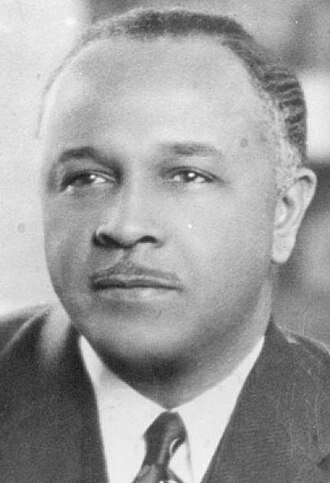
Medicine - 1935
Synthesis of Cortisone from Soybeans
Percy L. Julian
Julian was a chemist who developed a way to synthesize physostigmine from the Calabar bean -- and later synthesized cortisone from soybean oil, making a drug previously available only in tiny amounts suddenly affordable and mass-producible. He overcame enormous racial barriers, including having his home firebombed in 1950, to become one of the most important chemists in American history.
Made cortisone accessible worldwide, transforming treatment of arthritis and inflammation for millions.
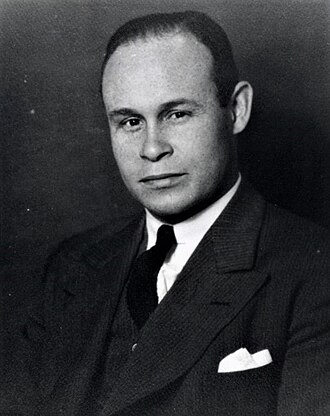
Medicine - 1940
Blood Bank and Plasma Storage
Dr. Charles Drew
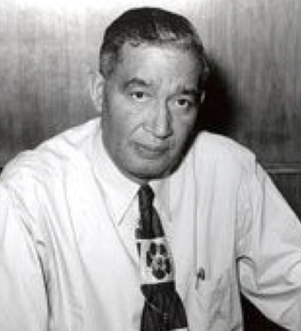
Dr. Drew pioneered the methods for processing and preserving blood plasma so it could be stored long-term and used in transfusions. He established the first large-scale blood bank in the United States and directed the first American Red Cross blood bank.
His work has saved tens of millions of lives and remains the foundation of modern blood banking.
Logistics - 1940
Refrigerated Trucking Units
Frederick McKinley Jones
Jones invented the portable refrigeration system for long-haul trucks, allowing perishable foods to be transported across the country without spoiling. He held over 60 patents and his company, Thermo King, is still the industry leader today.
Transformed the American food supply chain and made fresh produce accessible nationwide.
Electronics - 1962
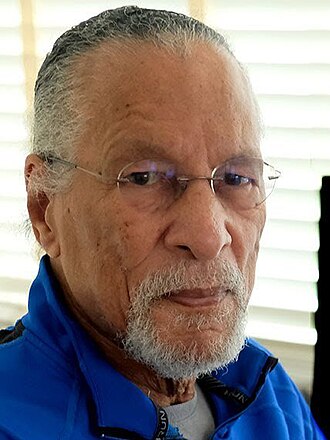
Foil Electret Microphone
Dr. James E. West
Working at Bell Laboratories, West co-invented the foil electret microphone with Gerhard Sessler. It was smaller, lighter, and dramatically cheaper to produce than any previous microphone while maintaining high audio quality. West holds over 250 patents. He now teaches at Johns Hopkins University.
Today, 90% of all microphones -- in phones, hearing aids, medical devices, computers, and recording studios -- use his design.
Security - 1966
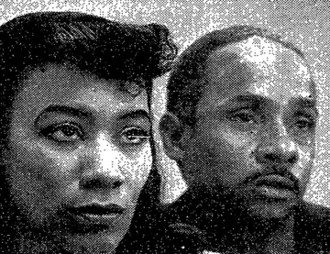
Home Security System
Marie Van Brittan Brown
Brown, a nurse working night shifts in Queens, New York, invented a closed-circuit television security system for the home. The system used cameras, peepholes, and a two-way microphone so occupants could see and communicate with visitors remotely.
Her patent is cited by every modern home security system patent ever filed.
Telecommunications - 1970s
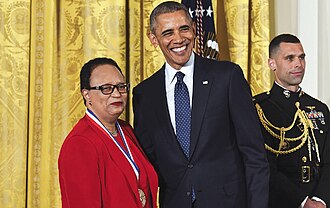
Caller ID and Call Waiting
Dr. Shirley Ann Jackson
Dr. Jackson's research in physics at Bell Laboratories led directly to the development of caller ID, call waiting, the portable fax machine, and fiber optic cables for long-distance calls. She was the first African American woman to earn a doctorate from MIT.
Her research made modern telecommunications technology possible.
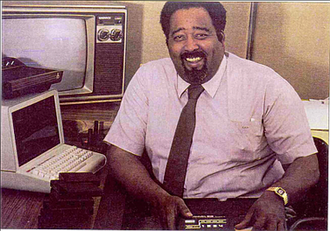
Gaming - 1976
Video Game Cartridge
Jerry Lawson
Jerry Lawson, chief hardware engineer at Fairchild Semiconductor, designed the first video game console to use interchangeable cartridges. Before his invention, games were hardwired into consoles. His Channel F console changed the entire gaming industry.
Every game console sold since - Nintendo, PlayStation, Xbox - runs on this concept.

Computing - 1981
IBM Personal Computer Architecture
Mark Dean
Dean co-invented the IBM PC and holds three of the original nine patents on it. He led the team that designed the first gigahertz computer chip in 1999 and invented the ISA bus, which allowed hardware components to communicate inside a computer.
The architecture he pioneered is the foundation of every personal computer built since.

Computing - 1982
3D Computer Graphics
Marc Hannah
Dr. Marc Hannah co-founded Silicon Graphics Inc. and developed the specialized microchip that made real-time 3D computer graphics possible. His technology powered the visual effects in Jurassic Park, The Matrix, and Terminator 2.
The foundation for every 3D rendering system, video game engine, and visual effects pipeline used today.
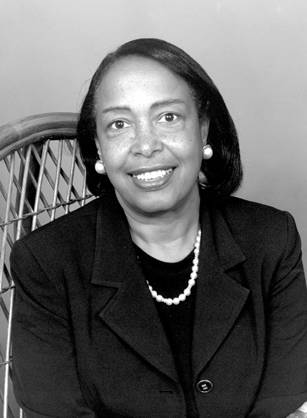
Medicine - 1986
Laser Cataract Surgery
Dr. Patricia Bath
Dr. Bath invented the Laserphaco Probe, a device that uses laser technology to remove cataracts quickly, painlessly, and with precision. She was the first African American woman to hold a medical patent in the United States.
Her invention restored sight to people who had been blind for over 30 years.
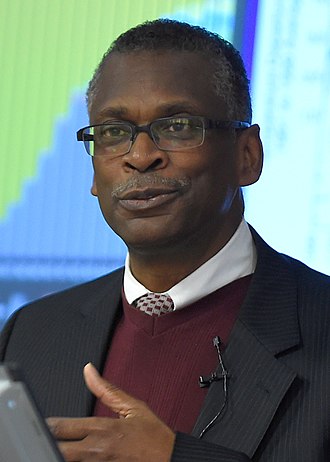
Consumer Products - 1989
Super Soaker
Lonnie Johnson
Johnson, a NASA and U.S. Air Force engineer, accidentally invented the Super Soaker while working on a heat pump that used water instead of freon. He licensed it to Larami Corporation and it became one of the bestselling toys in history.
Generated over $1 billion in sales and remains one of the top 20 bestselling toys of all time.
Present
Still Building
The innovation did not stop. Black inventors are behind the technology that powers modern computing, communications, and clean energy.
Clean Energy - 2003
Johnson Thermoelectric Energy Converter (JTEC)
Lonnie Johnson
After the Super Soaker, Lonnie Johnson kept building. He invented the JTEC, a solid-state heat engine that converts heat directly into electricity without moving parts. Its theoretical efficiency of 60% far surpasses current solar panels. Johnson is still developing it today.
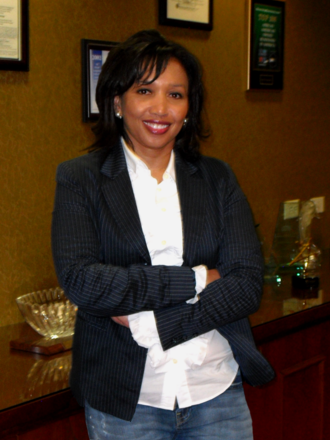
Software - 2006
First Web-Based Software Patent by a Black Woman
Janet Emerson Bashen
Bashen became the first African American woman to hold a patent for a web-based software invention when she was granted U.S. Patent #6,985,922 for LinkLine -- a platform that digitized the entire Equal Employment Opportunity complaint process for corporations. She built the company from her home with no outside funding.

Clean Energy - 2008
SOCCKET: The Energy-Generating Soccer Ball
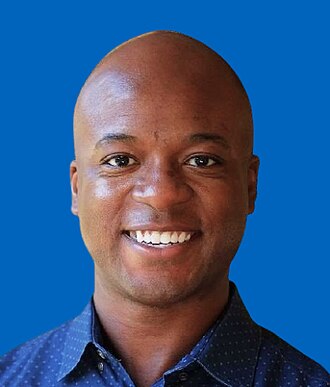
Jessica O. Matthews
At 19 years old, Matthews co-invented the SOCCKET while a student at Harvard -- a soccer ball that captures kinetic energy during play and stores it to power small devices like lamps. She went on to found Uncharted Power, a company building modular clean energy infrastructure, and holds over 12 patents.
Clean Energy - 2010
Bio-Inspired Vertical Wind Farms
Dr. John Dabiri
Dabiri, a MacArthur 'Genius Grant' recipient and Stanford professor, discovered that vertical-axis wind turbines arranged the way fish travel in schools can generate 10 times more energy per unit of land than conventional wind farms. His Caltech Field Laboratory proved the concept at scale. The patents are held by Caltech.

Medicine - 2012
Laser-Activated Nanoparticle Cancer Therapy
Dr. Hadiyah-Nicole Green
After losing both her aunt and uncle to cancer, Green developed a method to destroy cancer cells using laser-activated nanoparticles -- particles so small they attach directly to tumor cells and, when hit with a specific laser frequency, heat up and kill only the cancer while leaving surrounding healthy tissue untouched. Her provisional patent was filed in 2012.

Medicine - 2012
Bone Marrow Rejection Blood Test
Arlyne Simon
During her graduate research at the University of Michigan, Simon co-invented and patented a blood test that can detect when a cancer patient's body is rejecting a bone marrow transplant -- combining polymer science, microfluidics, and immunology into a single diagnostic tool. She went on to found SeeSoar Kids and author the 'Abby Invents' children's book series to inspire the next generation.
Robotics - 2013
Accessible Robotics and Human-Robot Interaction
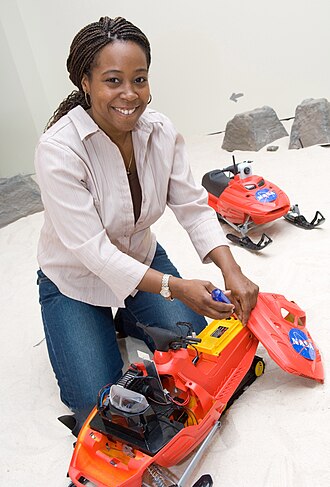
Dr. Ayanna Howard
Howard, now Dean of Engineering at Ohio State, spent years at NASA's Jet Propulsion Laboratory before pioneering accessible human-robot interaction systems. She holds four patents, including one for accessible computing interfaces (filed 2013, issued 2019), and co-founded Zyrobotics to build AI-powered therapy and STEM education tools for children with disabilities.
Medicine - 2020
mRNA COVID-19 Vaccine (Moderna)
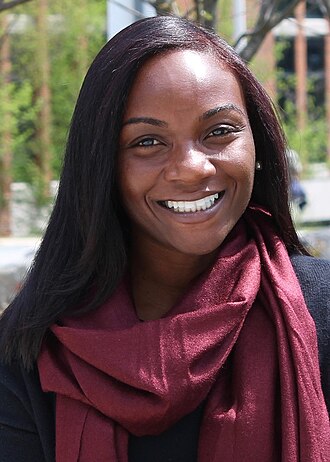
Dr. Kizzmekia Corbett
Corbett was the scientific lead at the NIH's Vaccine Research Center when she and her team developed mRNA-1273 -- the molecular prototype that became the Moderna COVID-19 vaccine. Her prior research on coronavirus spike proteins made it possible to move from genome sequence to vaccine candidate in just two days after SARS-CoV-2 was identified. She is now a professor at Harvard.
Artificial Intelligence - 2021
Responsible AI Frameworks at Google
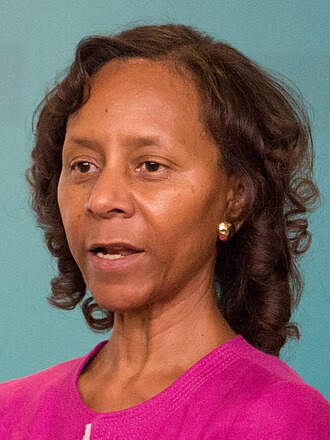
Marian Croak
As VP of Engineering for Responsible AI at Google, Marian Croak - who also holds over 200 patents including foundational VoIP work - now leads the team building the ethical frameworks and safety standards governing how Google's AI systems operate at global scale.
Future
Protect What
You Build
Black inventors built the world and did not always get to keep what they made. That changes with knowledge. Here is what intellectual property protection actually means and how to use it.
DISCLAIMER: The information on this page is for educational purposes only. It does not constitute legal advice and does not create an attorney-client relationship. Every situation is different. If you are building something worth protecting, consult a licensed intellectual property attorney.
Patent
Duration
20 years from filing date.
Cost
Provisional patent: $320 (micro entity). Full utility patent: $800 to $3,000+ in government fees, plus attorney fees.
A patent gives you the legal right to stop others from making, selling, or using your invention without your permission. In exchange, you must publicly disclose how your invention works.
Protects
Physical inventions, processes, chemical compositions, and some software.
How to Start
Document your invention in detail before doing anything else. Date it. Sign it.
Search existing patents at patents.google.com to confirm your idea is new.
File a Provisional Patent Application (PPA) with the USPTO to secure your filing date for 12 months.
Within 12 months, file a full Non-Provisional Patent Application.
Work with a registered patent attorney or agent - required for complex inventions.
Trademark
Duration
Indefinitely, as long as you continue using it and renewing every 10 years.
Cost
$250 to $350 per class of goods at the USPTO. Attorney fees are additional.
A trademark protects your brand name, logo, slogan, or any symbol that identifies your goods or services in the marketplace. It tells the world this product comes from you.
Protects
Brand names, logos, slogans, sounds, and colors associated with your brand.
How to Start
Search the USPTO Trademark Electronic Search System (TESS) to confirm your mark is not already taken.
Identify which class of goods or services your mark applies to.
File your application at USPTO.gov/trademarks.
Respond to any Office Actions from the examining attorney.
Once approved, use the (R) symbol and renew every 10 years.
Copyright
Duration
Life of the creator plus 70 years.
Cost
Free automatically upon creation. Registration: $45 to $65 at copyright.gov.
Copyright protects original creative works the moment you create them. Registration is optional but gives you the ability to sue for statutory damages if someone steals your work.
Protects
Written works, music, artwork, photography, software code, films, and design.
How to Start
Your copyright exists automatically when you create an original work. You own it.
Register at copyright.gov to create a public record and unlock the ability to sue for statutory damages.
Use the copyright symbol (c) with your name and year on your work.
Keep documentation of when and how you created each work.
Trade Secret
Duration
Indefinitely, as long as the information stays secret.
Cost
No government fees. Cost is in the legal infrastructure to keep it secret.
A trade secret is any business information that gives you a competitive edge and is kept confidential. There is no registration process - protection comes from keeping it secret.
Protects
Formulas, recipes, processes, client lists, business strategies, and manufacturing methods.
How to Start
Identify what information gives you a competitive advantage.
Have employees and contractors sign Non-Disclosure Agreements (NDAs) before accessing it.
Limit access to only the people who need to know.
Document your efforts to keep it confidential - courts require proof that you treated it as a secret.
Before You Share Your Idea
Document It. Date It. File It.
The most important step is taken before you talk to anyone. Write it down. Timestamp it. A provisional patent can be filed in days and costs less than a phone bill.
Visit the USPTO